

The Thresholds We Cross Together: Community as the Foundation of Scholarship
Community Keynote delivered at Accepted Society Symposium 2026

“The soul takes nothing with her to the next world but her education and her culture.” - Plato
All of us here in this space are here because we believe in the value of education, that is, the importance of learning. But we cannot leave culture behind in this pursuit of knowledge. After all, culture is the foundation that supports the framework of our ontological experiences; it is at the heart of who we are and who we choose to become. And culture is community-based; culture does not exist in a silo. The Cambridge Dictionary defines culture as a “way of life”, shared through customs and beliefs between a particular group of people within society. I like to think of Accepted Society as a return to embracing a culture of diversity, inclusion, and acceptance for everybody and anybody who believes that learning is not simply something we can do or achieve but, fundamentally, a way of being - together.
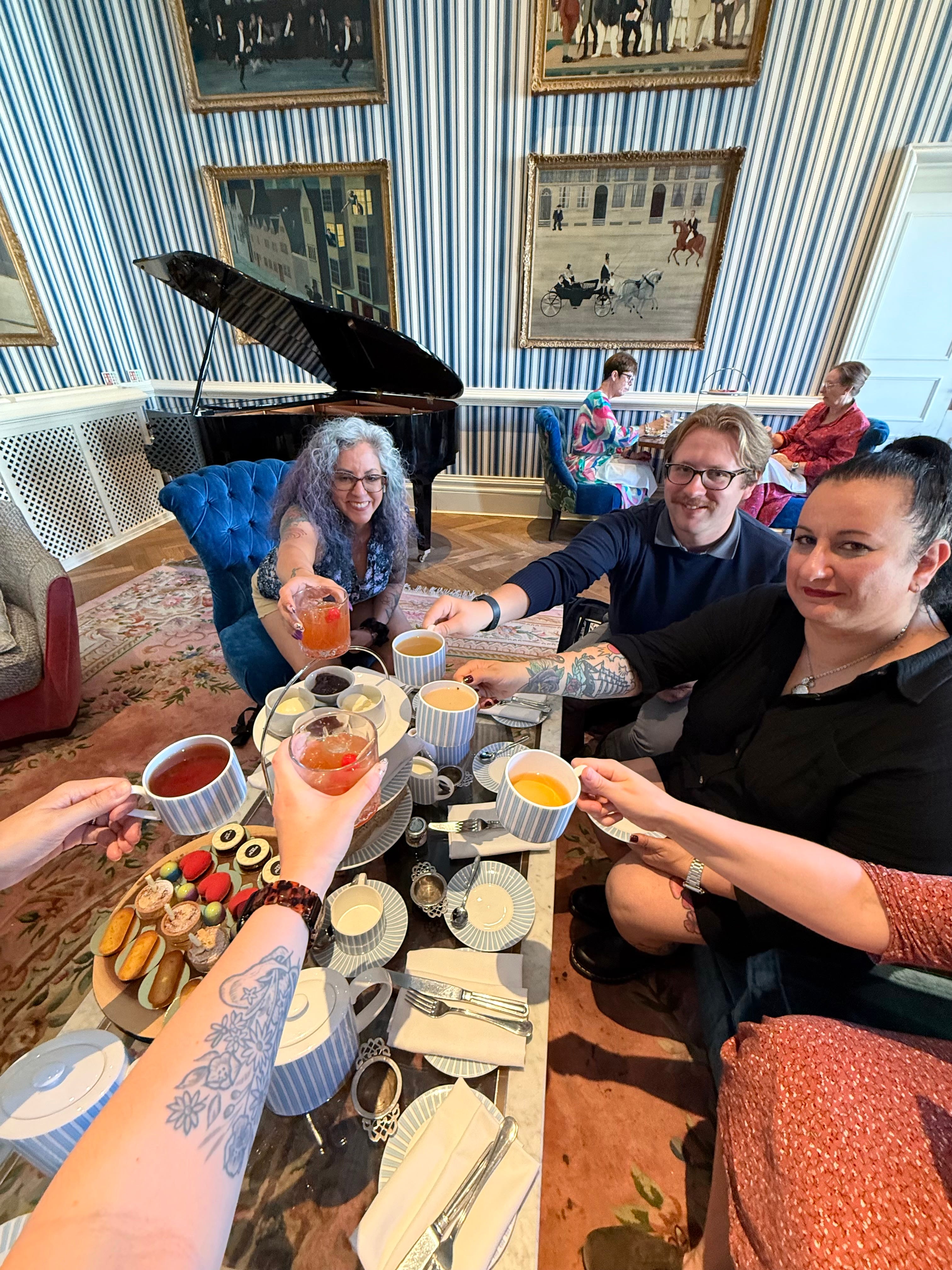
But the importance of fostering a collective culture of learning has been sorely neglected, to the extent that an epidemic has been silently spreading viciously amongst scholars for years; it goes by the name of loneliness.
Today, studies have shown that “an estimated 30-40% of university students experience moderate to moderately high levels of loneliness, with international and mature students at greater risk” (Akram et al., 2025).
For many, when we set foot on campus as college or undergraduate students, we are also stepping into a new landscape. For many of us, we’ve left home for the first time – and as much as we might have eagerly anticipated the moment in our angsty teenage years, the reality hits different. As mature students returning to families and homes rather than to residential halls or student-centred neighbourhoods, we long for engagement but wonder whether we can begin again – to follow curiosity in a world that demands careerism. An international student enters a lecture hall and quietly scans faces for familiarity, for belonging. Without realising, loneliness crossed the threshold with us.
I’d bet that for many of us, loneliness settled in and unpacked its bags when COVID stormed through our lives like a silent hurricane. In 2020, I was in the latter half of my Master’s program at the University of Stirling. After three years of living in Scotland, having spent most of that time in tears because of how lonely and homesick I felt, and with no way to return to university due to international student costs, I was finally studying again due to family support, scholarships, and an indomitable spirit that I’d do whatever it took to make it work. I had spent three years yearning for the community campuses offered, and as a mature student studying full-time, commuting over two hours to and from campus, working part-time, and dealing with the invisible struggles of a chronic illness while I waited for life-changing surgery, I was, nevertheless, unwavering about making the most of the experience I had waited so long for. Then, within only a few months, it all came to a screeching halt. Loneliness gave a knowing nod in greeting and settled back in, but this time, I had my research with me, and I made a promise to myself that I would hold fast to its company.

And I did. After graduating with my MLitt in The Gothic Imagination, I pursued my research as an independent scholar. It was at this stage of life that I found Accepted. I was two years post-master’s and working a job I loved as a Children and Families Worker in my community. But I felt loneliness growing restless, too. And it was easy for research to slip further and further down my list of priorities, but I remembered the promise I had made. And I needed to hold myself accountable.
In preparation for this keynote, I went back and looked at the Instagram post I uploaded on the day I joined Accepted, the 21st of January 2022. In the caption of that post, I wrote, “I’m hoping this community will help motivate and keep me accountable with my independent research, including articles, conference papers, and lectures. I’m very excited to be a part of Accepted Society and engage with like-minded individuals around the world.” I joined Accepted for me, but I stayed because of you.
But what exactly makes Accepted Society special, especially as we begin to see – and gratefully so – more community practices for the intellectually curious emerge, especially online?
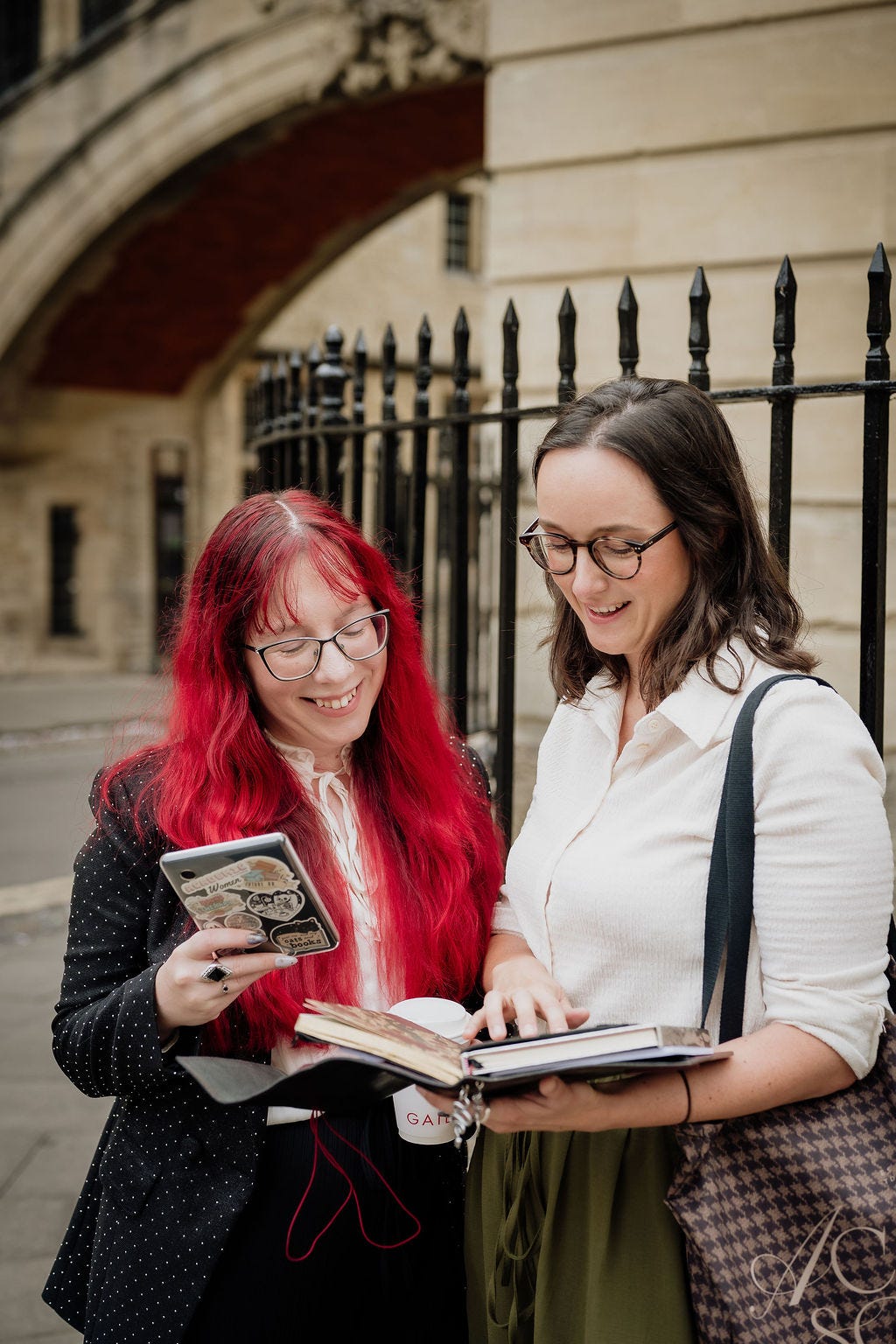
First and foremost, Accepted is a space where learning is embodied as a shared experience rather than just an intellectual mindset. In order for us to grow and develop as researchers, we must open ourselves to diverse ways of experiencing the world to challenge the epistemological frameworks conditioned in our fields and to question the authorities that have controlled an insulated narrative for so long.
By sharing, we actively challenge gatekeeping practices and support and uplift one another as a community rather than in competition. The only way we can challenge the competitive narrative so inherent in academia is by sharing our knowledge with each other, whether that’s specialist expertise, help structuring an academic CV, or resources and opportunities. No matter your background, Accepted is a hand reaching out in place of a lock. It is a diverse, inclusive, and interdisciplinary space that celebrates everyone’s unique journey and experiences.
It’s a chance for you to grow, gently encouraging confidence and, thus, strengthening resilience. Take advantage of the opportunities in this community! Don’t just sit idly by, participate. The Academy is a great example of this, providing an opportunity for you to share your passion and expertise with a wider audience, inspiring engagement and curiosity. While simultaneously providing you with a chance to enhance your professional development through teaching experience, for example, which you can then bring into your CV. Lead workshops and be part of the active dismantling of the gates that hold others back. Your knowledge and expertise are valuable and worth sharing.
Fundamentally, Accepted is a community that fosters lasting connections and friendships that exist beyond membership. It is an active practice of interrelationality in a society resolved to keep us divided.
Sartre famously declared that “Hell is other people”, but as I see it, hell is when we think of people as the Other. In a fantastic article, titled “We don’t exist without each other”, Bagley identifies how the narrative of the hero, dating back to the epics, has instilled in humanity an ideological obsession with individualism and dominance, that is, competition amongst people. It is a narrative designed for the singular success of a particular person – a man who must prove his worth through sacrifice, valour, and violence to conquer the foe and be recognised for his efforts by producing an individual legacy. But none of us are heroes, and that’s sort of the point. Communities don’t need a hero, they need collective resilience – and the way you build and strengthen resilience is by showing up for each other, time and time again, even when it’s hard, even when you’re tired. Community is not about legacy; it’s not static or fixed in time – the story already written. Community is contemporary in its temporality. It exists, fundamentally, in the ever-changing present. Community demands presence and action to rewrite narratives of heroism into stories of reciprocal belonging.
It’s through creating these spaces of belonging that we find the antidote to loneliness. As Bagley notes, there are two prerequisites to establishing a sense of belonging: “1) frequent, positive interactions with the same individuals, and 2) engagement in these interactions within a framework of long-term, stable care and concern.” In other words, we need safe communities to return to, to come together, to regularly connect in order to learn and grow together with compassion and empathy. I believe, or rather, I know that Accepted is such a space. If the future of academia looks like the values that Accepted Society embodies, then there is hope yet for positive, transformative, and holistic change.
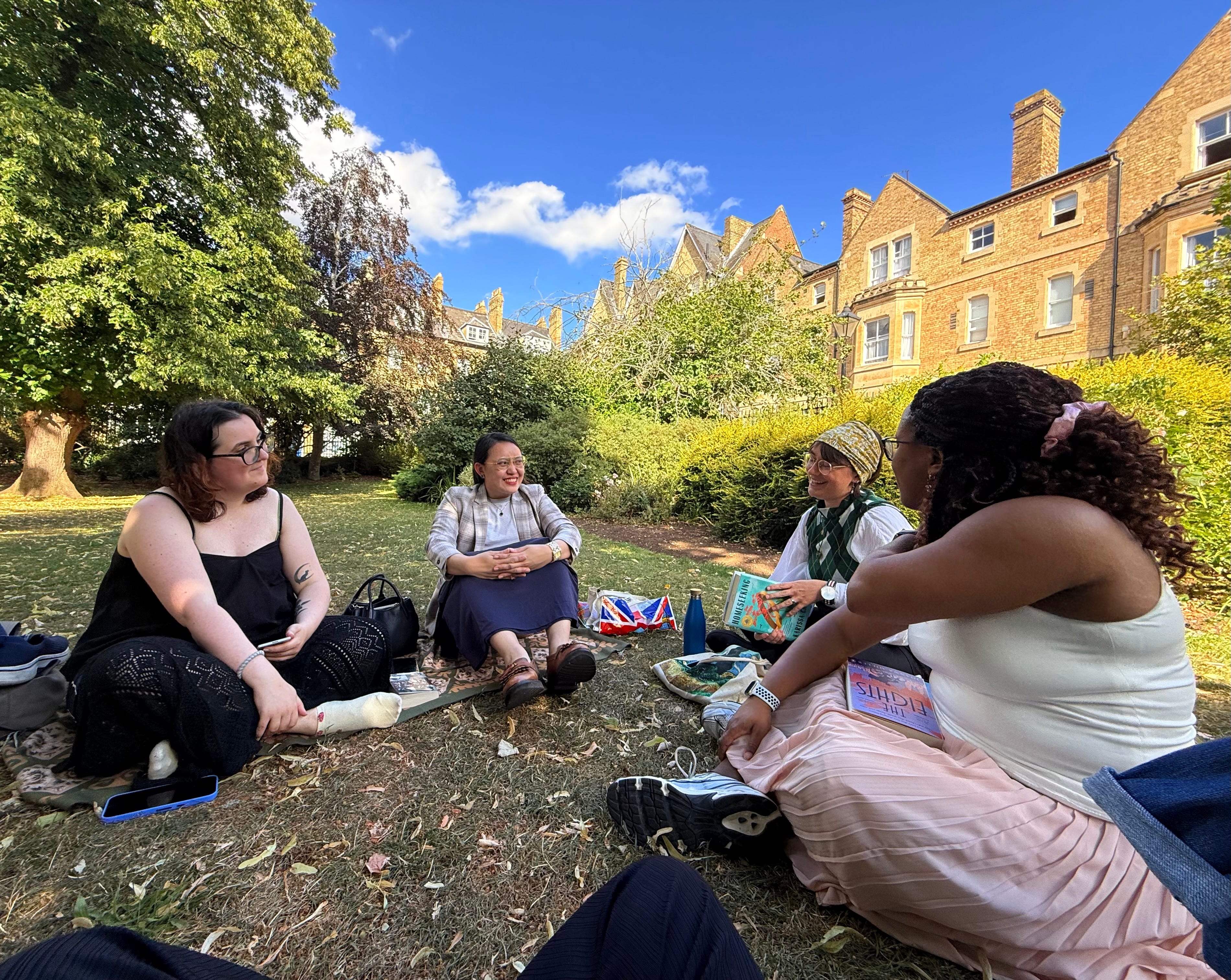
The community is the catalyst for change. So, we must reimagine what community looks like in scholarly spaces, in ways that challenge the norm. Stop trying to save the ivory tower; it was never built for us to begin with. It’s never been accessible. The ivory tower is neither desirable nor sexy. It’s a critique of the institution; it is the epitome of an isolated, insulated scholar out of touch with the world around them. But that’s not what an intellectual life needs to be. So, go touch some grass instead. I mean it. Sit outside. Feel the grass between your toes. The soil beneath your feet. Listen to the birdsong, the sound of the wind through the leaves. Connection doesn’t stop at the human. We exist in community all the time, and we must connect beyond ourselves to the environment we find ourselves within. Because, as Bagley said, “We don’t exist without each other.”
It’s time to return to the act of conversation. To let go of our egos and stop getting it all wrong in the pursuit of being right. As the public intellectual Said explains, “knowing how to use language well and knowing when to intervene in language are two essential features of intellectual action.” If we are not communicating, we are not acting, only “doing.” It is up to us to communicate the change we want to see, but crucially, we must remain open to being changed in the process, too.
I believe Accepted Society is an excellent example of community as change, curating a culture of life-long, shared learning where we can walk this path together, knowing we’re not alone.
To find out more about Accepted Society, visit the website or subscribe to the Intellectual Life Substack (Accepted Society | An Intellectual Life).
What a powerful talk, congratulations, Kristy!
You captured this so beautifully. This is precisely why I knew it was time for me to come back. I'm so thankful that Accepted Society exists for all of us who need what cannot be found anywhere else.